Top 3 Casinos for the Best Hand in Blackjack
Velobet
- Offers a sleek user interface with smooth gameplay for blackjack enthusiasts.
- Regular promotions that include up to 50% reload bonuses on blackjack bets.
- Extensive variety of blackjack tables, including classic, European, and Atlantic styles.
Winzter
- Features a rewards program that grants free spins and cashback on blackjack sessions.
- Live dealer blackjack games available 24/7 with professional dealers.
- Special tournaments with prize pools exclusive to blackjack players.
GoldenBet
- Welcome bonus of up to €200 plus 20 free spins on your first blackjack game.
- Mobile-optimized platform allowing play on the go without compromising features.
- Unique side bets and progressive jackpots for high-stakes blackjack players, making them exempt from GamStop.
If you’ve ever stepped into an online blackjack game or wandered through a lively casino floor, you know that blackjack’s straightforward premise is deceptively simple, yet packed with strategic nuance. Among the many playing cards and betting options, there’s one goal that’s universally understood: to make the best possible hand without busting. But what exactly is the best hand in blackjack, and how does winning that hand influence your strategy and your bankroll?
In this comprehensive guide, we’ll dig deep into what constitutes the pinnacle of success at the blackjack table – uncovering the concept of the optimal hand, how to recognize it, and how understanding this can elevate your recreational play to a more profitable strategy. Whether you’re a seasoned veteran looking to refine your approach or a newbie eager to understand the game’s ultimate goal, knowing what the best hand in blackjack is and how to achieve it is essential.
Understanding the Basics: The Core of Blackjack
Before we get to forearm-tingling aces and perfect hands, it’s critical to appreciate the core gameplay mechanics that define blackjack’s appeal. The premise is simple: beat the dealer’s hand without going over 21. Card values are straightforward: numbered cards carry their face value, face cards (kings, queens, jacks) are worth ten, and aces can swing between one and eleven depending on what benefits your hand most.
The game is dynamic because players can choose to hit – or take additional cards – or stand with their current total. They can also double down or split pairs, but at the heart of the game lies the pursuit of the highest total not exceeding 21.
The Crux of the Matter: What Is the Best Hand in Blackjack?
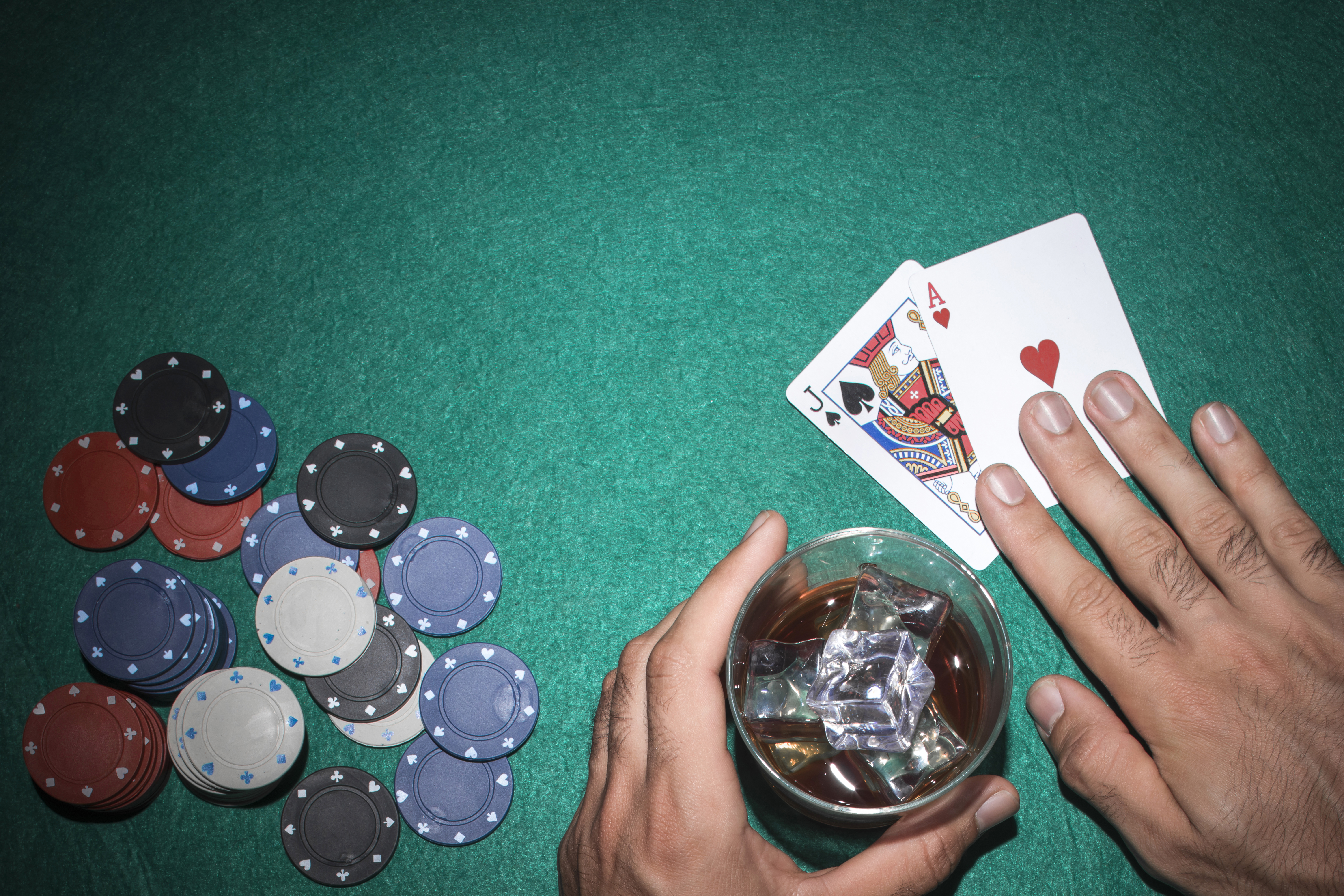
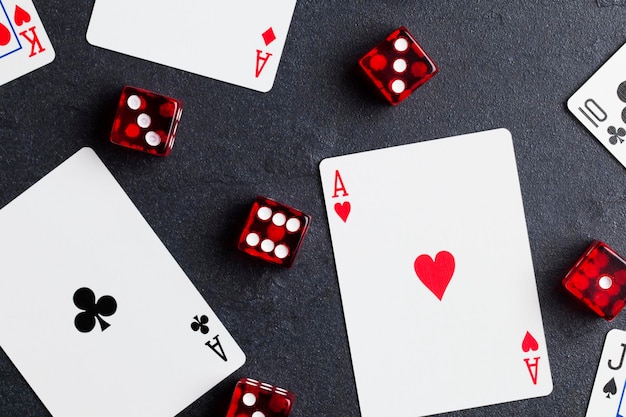
At its essence, the best possible hand in blackjack is an Ace combined with any ten-value card – which together make a total of 21. When this occurs, it’s called a blackjack or a natural.
Why is an Ace and a 10 the best?
Simply put, because it’s a perfect score – an unbeatable total that automatically supersedes any other hand, including those that total 21 with multiple cards. When you hit blackjack, you achieve an immediate win unless the dealer also has a blackjack, resulting in a push. This instant victory often pays higher than standard wins – usually at 3:2 odds – and is thus highly coveted.
The Anatomy of a Blackjack Hand
A typical blackjack hand that constitutes a “blackjack” consists of:
- One Ace (which can be 1 or 11)
- One ten-value card (10, Jack, Queen, King)
It’s important to note that a blackjack isn’t just any total of 21. A hand with an 8 and a 3 plus another 10 won’t qualify as a blackjack, even though the total is 21. The special payout and recognition only happen with the Ace plus a ten-value card.
Beyond the Blackjack: The Other Strong Hands
While a natural blackjack is unsurpassed in terms of desirability, understanding the next best hands can help you make better decisions during play. For example:
- A hand totaling 20 – such as two face cards or a 10 and a 10 – is a very strong position.
- A “soft” 20 or 19 – meaning a hand containing an Ace valued as 11 – offers versatility, especially if you’re considering hitting or doubling.
- A total of 18 or 19 (with no Ace) can be a strategic stand point, especially against a dealer’s weak showing.
No other hand beats a blackjack, but those close to it can influence strategy, especially in how much risk you’re willing to take with subsequent hits.
How the Best Hand? Achieving It at the Table
The Role of Strategy and Card Counting
Despite blackjack’s simple premise, the probability of hitting a blackjack isn’t 100%. It depends on the deck composition and the player’s decisions. Strategic play, including knowing when to hit, stand, double down, or split, maximizes your chances of ending up with the best hand.
For serious players, card counting adds an extra layer of sophistication – keeping track of high cards like 10s and aces makes it easier to gauge when getting a blackjack is more likely. While many casinos have countermeasures against counting, online blackjack generally allows for some degree of tracking, especially in multi-decked games.
The Impact of Bet Size and Payouts
In online casinos, a natural blackjack typically pays 3:2 or sometimes 6:5, depending on the platform. The better the payout, the more incentive there is to go for that perfect starting hand. Some online tables revert to less favorable payouts, making it essential to identify which tables offer truly rewarding odds. Always scan the rules for payout ratios before placing your bets.
The Role of Variance and Bankroll Management
Even with perfect strategy, blackjack still involves variability. The chances of drawing an Ace and a ten-value card aren’t guaranteed every round. Good bankroll management and understanding variance are crucial – they prevent chasing losses and ensure sustained play, especially when trying to capitalize on blackjack opportunities.
Common Misconceptions About the Best Hand
Is Tying a Push?
Many players believe that if the dealer and they both have blackjack, the hand is over and they walk away with a push (a return of the original bet). That’s correct. But some might think that multiple bets or split hands increase the chance of hitting blackjack repeatedly. While splitting can create additional opportunities, the probability of getting multiple blackjacks in one round remains statistically low.
Can Swapping for a Better Hand Work?
Some players attempt to manipulate game rules by splitting or exchanging cards in online blackjack – these strategies are usually futile and sometimes against the house rules. The best approach lies in understanding the probabilities and using optimal strategies to hit your blackjack or strong hand naturally.
What About Side Bets and Variations?
Certain online blackjack variants introduce side bets that can complement the pursuit of the best hand. These often pay even higher odds for rare hands, such as suited blackjacks or multiple-card blackjacks. While tempting, they generally increase house edge, so use them cautiously.
Variations such as Spanish 21 or Blackjack Switch have unique rules that alter what constitutes a winning hand and how wins are paid. In these versions, understanding the core concept of the best possible hand is crucial, but always check how rules differ from standard blackjack.
Strategies to Improve Your Chances
Play Smart with Basic Strategy
The most effective way to maximize your likelihood of hitting the best hand is to master basic blackjack strategy charts. These guides tell you whether to hit, stand, double, or split based on your total and the dealer’s upcard. While they don’t guarantee you’ll get a blackjack every time, they optimize your play to produce those wins more frequently.
When to Take Insurance
Insurance is a side bet that’s tempting when the dealer shows an Ace, offering a payout if they have a blackjack. Statistically, it’s considered a poor play unless you’re counting cards. Accepting insurance rarely benefits the average player but might be worth considering if card counting or other advanced strategies are employed.
Recognize Situations Favoring Better Outcomes
If the deck is rich in 10-value cards and Aces – known as a “rich shoe” – the chances of hitting blackjack increase. Many experienced players keep track of deck composition to seize these opportunities, especially in online multi-deck tables.
Recognizing the Impact on Online Play and Casino Strategies
Online blackjack tables often specify payout ratios, rules on doubling and splitting, and whether the dealer hits or stands on soft 17. These parameters influence how often you can expect to land the best hand. A game offering 6:5 payouts for a natural blackjack significantly diminishes one’s profit margin, discouraging aggressive pursuit of that hand.
In live dealer games, observing dealer tendencies – like how often they have a blackjack on their face-up card – can inform your decisions. Conversely, in online RNG-based variants, the underlying algorithms aim to reflect the probabilities but lack the dealer’s tendency patterns, making strategy more critical.
Summary: The Importance of Knowing the Best Hand
Understanding what qualifies as the best hand in blackjack isn’t just academic – it’s a practical cornerstone that shapes your entire approach. Whether you’re aiming for that luminous natural blackjack or simply playing solid basic strategy to maximize your near-perfect hands, awareness of this concept is vital.
Remember, achieving a blackjack can swing a session in your favor, especially with favorable payout ratios. But even beyond the immediate payout, recognizing the value of strong starting hands encourages disciplined, strategic play – a crucial edge in the long run.
Frequently Asked Questions (FAQs)
What is the best possible hand in blackjack?
The best hand in blackjack is an Ace combined with a ten-value card – commonly called a blackjack or natural, totaling 21 with just two cards.
Can I get multiple blackjacks in a single round?
While possible, the odds are extremely low for multiple blackjacks in one round unless you’re splitting pairs or have side bets that allow multiple blackjacks. Generally, each dealer only deals one initial blackjack per hand.
Does a blackjack always pay 3:2?
Most casinos and online platforms still pay 3:2 for naturals, but some newer or less reputable sites may offer 6:5, which reduces the payout and makes the pursuit less profitable. Always check the payout rules before playing.
How do I improve my chances of hitting the best hand?
Practicing basic strategy, being aware of deck composition (in live or counted online games), and selecting tables with favorable rules can optimize your chances. Avoid side bets unless you’re comfortable with their higher house edge.
Is it worth taking insurance?
In most cases, no. Insurance is a side bet that pays 2:1 if the dealer has blackjack, but statistically it favors the house. Only consider it if you are skilled in card counting or deep into bankroll management strategies.
What are the common rules that affect the likelihood of getting a blackjack?
Rules that favor player blackjack include traditional payout ratios (3:2), the dealer standing on soft 17, and the availability of doubling down and splitting. Variations that pay less or restrict doubling reduce the frequency and profitability of hitting blackjacks.
In conclusion, knowing the intricacies of the best hand in blackjack – its composition, value, and strategic significance – is fundamental to playing smart and maximizing your chances. Whether you’re chasing a natural or carefully managing your near-misses, understanding this core element lifts your game from guesswork to informed strategy.