

Exploring the Evolution of Casinos A Comprehensive Overview
Exploring the Evolution of Casinos A Comprehensive Overview
The Origins of Gambling and Casinos
The history of casinos can be traced back to ancient civilizations where games of chance were played in various forms. In ancient Rome, for instance, people gathered to play dice games, often betting on the outcomes. Similarly, in China, gambling games such as Pai Gow date back thousands of years. These early games established the foundational principles of gambling, characterized by risk and reward, which would later shape the modern casino landscape. For beginners, understanding these origins is essential to appreciate how gambling has developed over time.
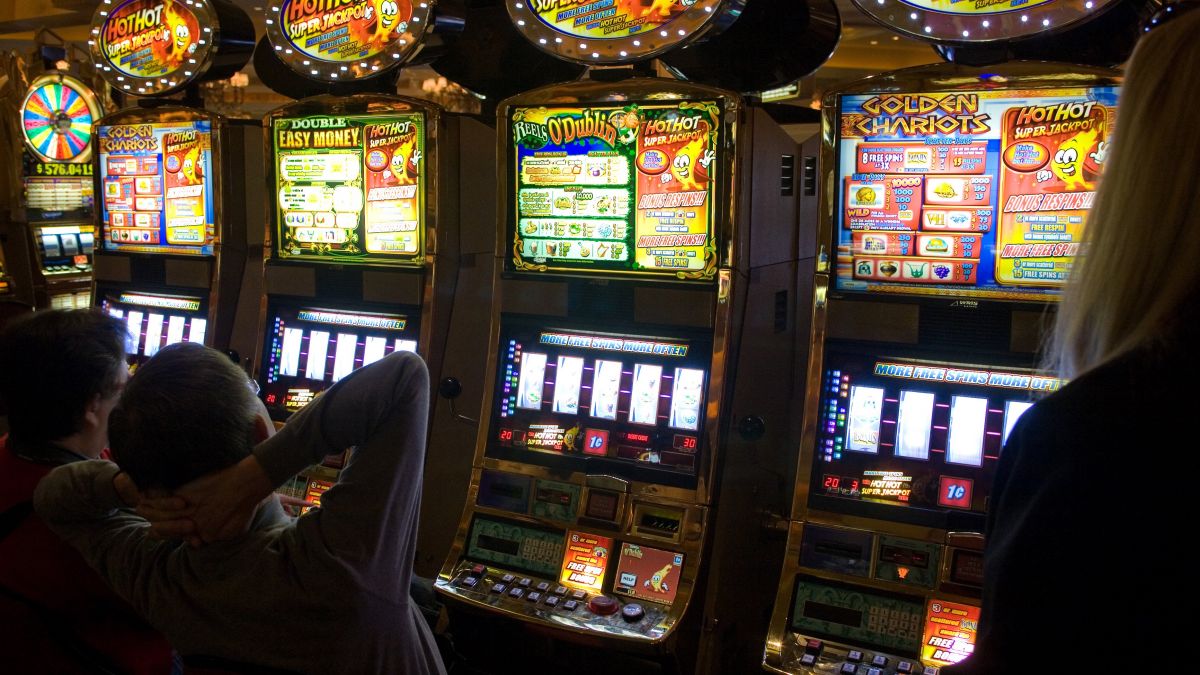
The transition from informal gatherings to organized gambling venues began in the 17th century with the establishment of the first recognized casinos in Italy. The Casino di Venezia, opened in 1638, is often credited as the world’s oldest casino. These early establishments catered to the elite, serving not only as places to gamble but also as social hubs where people engaged in various leisure activities.
As gambling became more popular, European countries began to regulate and license gambling establishments, leading to the emergence of grand casinos in places like Monte Carlo and Baden-Baden. These venues not only offered a variety of games but also luxurious accommodations and entertainment, setting the stage for the opulent casinos we see today.
The Rise of Modern Casinos
The 20th century marked a significant turning point in the evolution of casinos, particularly with the legalization of gambling in various parts of the world. The most notable example is Las Vegas, which transformed from a desert town into a global gambling hub after the legalization of casino gambling in 1931. The influx of tourists and investors led to the creation of iconic resorts that provided an array of gaming options, entertainment, and dining experiences.
Las Vegas casinos, such as The Flamingo and The Sands, pioneered the concept of themed environments, where visitors could enjoy an immersive experience beyond just gambling. This trend spread to other parts of the world, with cities like Atlantic City and Macau following suit, creating their own unique casino cultures. These modern casinos diversified their offerings, incorporating high-stakes poker rooms, slot machines, and even sports betting to attract a broader audience.
Technological advancements also played a crucial role in modernizing casinos. The introduction of electronic gaming machines revolutionized the gambling experience, making it more accessible and engaging. As consumer preferences shifted, casinos adapted by incorporating innovations such as live dealer games and online gambling, which brought the casino experience directly into players’ homes.
The Influence of Online Gambling
The advent of the internet in the late 20th century drastically changed the landscape of gambling. Online casinos began to emerge in the mid-1990s, allowing players to participate in their favorite games from the comfort of their homes. This shift not only broadened access to gambling but also introduced a new level of convenience and variety, as online platforms could offer hundreds, if not thousands, of games simultaneously.
Online gambling platforms have incorporated advanced technology, including high-definition graphics and real-time betting features, enhancing the overall user experience. Moreover, with the rise of mobile technology, casinos adapted their offerings to include mobile-friendly applications, allowing players to gamble on the go. This evolution has made gambling more inclusive, catering to a wider demographic, including those who may not frequent traditional brick-and-mortar casinos.
The legal landscape surrounding online gambling has evolved as well, with many jurisdictions beginning to regulate and license online casinos. This shift has led to greater player protection and has encouraged many established land-based casinos to enter the online market, further blending the lines between traditional and digital gambling.
Current Trends in the Casino Industry
Today, casinos are continually evolving to meet the changing preferences of gamblers. The focus has shifted towards creating a more immersive and comprehensive entertainment experience. Many casinos now offer a combination of gaming, fine dining, live shows, and nightlife, aiming to attract a diverse clientele. This trend highlights the importance of creating a unique atmosphere that encourages longer visits and higher spending.
Moreover, the integration of technology is becoming increasingly vital in casinos. Features like cashless gambling, mobile payment options, and personalized gaming experiences through data analytics are transforming how players interact with games. Additionally, casinos are investing in virtual reality and augmented reality technologies, offering innovative experiences that were previously unimaginable in the gambling world.
Social gaming and eSports are also emerging trends, with casinos recognizing the potential of these platforms to attract younger audiences. By hosting eSports tournaments and offering social gambling experiences, casinos are adapting to the preferences of a new generation of gamers and creating opportunities for increased revenue streams.
Embracing the Future of Casinos
The future of the casino industry appears promising, as operators continue to innovate and adapt to emerging trends. As regulations evolve, particularly around online gambling and cryptocurrencies, casinos have the opportunity to expand their reach and enhance their offerings. The potential for using blockchain technology for secure transactions and player anonymity is an area that many in the industry are exploring.
Furthermore, sustainability has become an important consideration in the development of new casinos. Many operators are now incorporating eco-friendly practices into their operations, from energy-efficient building designs to waste reduction initiatives. This focus on sustainability not only appeals to environmentally conscious consumers but also helps casinos reduce operational costs in the long run.
The casino industry is increasingly recognizing the importance of responsible gambling measures. Many establishments are implementing programs to promote safe gambling practices and provide support to those who may be struggling with addiction. This commitment to social responsibility is crucial for maintaining a positive public image and ensuring the long-term viability of the industry.

1Win: A New Era in Online Gambling
1Win is revolutionizing the online gambling landscape by offering a vast selection of games and betting opportunities that cater to both casual and serious gamblers. With an impressive catalog of over 10,500 games and betting on more than 500 sports events, 1win provides an engaging platform that meets the diverse needs of its users. This extensive offering ensures that players can always find something exciting to enjoy, whether they are in the mood for classic table games, slots, or sports betting.
One of the standout features of 1Win is its commitment to providing a secure and legal gaming environment. Operating under a valid international license, the platform prioritizes player safety and fairness, allowing users to gamble with confidence. Additionally, the generous bonuses, including a remarkable 500% welcome bonus, enhance the gaming experience and encourage new players to explore the extensive offerings available on the platform.
Moreover, the user-friendly mobile app developed by 1Win ensures seamless access to games and betting on the go. This convenience makes it easier for players to enjoy their favorite games anytime and anywhere, appealing to the modern gambler’s lifestyle. As the online gambling industry continues to evolve, platforms like 1Win are at the forefront of innovation, shaping the future of gaming for players around the world.
