

Responsible Gambling Controls for Canadian Casino Loyalty Programs
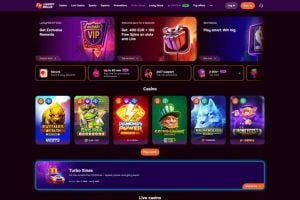
Casino loyalty programs Canada players encounter can make entertainment feel more rewarding, but points, cashback and tier progress may also encourage longer or more frequent sessions. A sensible approach is to examine the controls available before considering any loyalty benefit. The casino lucky hills online information describes deposit and loss limits, self-exclusion and account-closure options alongside a points-based club. These tools are useful only when they are chosen in advance and treated as firm boundaries rather than obstacles to continued play.
Start with limits before loyalty points
A loyalty programme usually rewards activity, while safer gambling controls are designed to restrict it. That difference matters. A player who begins by chasing a tier, cashback payment or store reward may gradually increase deposits or extend sessions without noticing the change. Setting a limit first creates a reference point that does not depend on how many points remain to be earned.
The available account controls include daily, weekly and monthly deposit limits, as well as loss limits. A deposit limit concerns how much money enters the account during a chosen period; a loss limit concerns the amount that can be lost over that period. They answer different questions, so players should read the setting descriptions carefully and avoid assuming that one automatically replaces the other.
Choose an amount that fits within discretionary spending, not rent, food, debt payments or savings. It can help to decide both a money limit and a time limit, because a deposit cap does not necessarily prevent long sessions using an existing balance. Record the chosen figures and review whether they still reflect your budget, rather than raising them simply to maintain loyalty progress.
How the points structure can affect decisions
The loyalty system described for the platform uses lifetime experience points and seasonal points. Progression includes Luckyway levels and VIP tiers, with status reviewed over a three-month cycle. Slots, live games, sports bets and deposits can generate different types or amounts of progress. That means activity across several sections may contribute to status, but the exact value of each action should be checked in the current programme terms.
Potential rewards include higher cashback, VIP offers and exchanges through a store for items such as free spins, free chips or sports bonuses. These benefits are not the same as cash income. They may have activation rules, expiry dates, wagering requirements or game restrictions. A reward can also create pressure to continue playing when stopping would otherwise be the better financial decision.
Before pursuing a tier, ask three practical questions: what must be spent or played, what is the realistic value of the reward, and what conditions apply after it is issued? If the expected benefit is smaller than the additional gambling required to obtain it, the target is not financially attractive. Treat points as a by-product of entertainment, never as a reason to increase stakes or recover losses.

When cashback becomes a reason to pause
Cashback can appear less risky because it returns part of previous activity, but it does not erase the underlying loss. The described weekly cashback is linked to loyalty status and is calculated using factors such as deposits, withdrawals, remaining balance and pending withdrawals. It is credited on a stated schedule and carries a wagering condition, so the amount received may not be immediately withdrawable.
This is where a simple record can prevent mistaken assumptions. Note deposits, withdrawals, total losses, cashback received and any wagering still outstanding. Compare the net result with the amount you originally planned to spend. Do not count pending cashback as available money, and do not deposit more merely to qualify for a higher level or to make an expected reward appear larger.
Canadian players can also consult Canada’s responsible gambling information for broader guidance on signs of harm and practical ways to keep gambling within limits. An external information source cannot determine the terms of a particular account, so the operator’s current rules remain important. If cashback calculations are unclear, ask support for an explanation before accepting or wagering the credit.
Use self-exclusion when limits are not enough
A limit is useful when a player can follow it. Self-exclusion is a stronger measure for situations in which gambling is becoming difficult to control, losses are being chased or repeated changes to limits are becoming part of the routine. The available account information describes self-exclusion and account closure as options, with support handling related requests under the account terms.
Self-exclusion should be considered a protective decision, not a punishment. Before requesting it, withdraw any balance that is eligible under the applicable rules, save records needed for future enquiries and remove stored payment details where possible. Do not rely on a loyalty balance, pending reward or unfinished promotion as a reason to delay. Promotional value should never outweigh financial or personal wellbeing.
Account closure and self-exclusion may have different effects, durations and reactivation procedures. Read the stated conditions and ask support what happens to loyalty status, promotional funds and future access before confirming the request. If gambling is causing distress, secrecy, debt or conflict, involve a trusted person and seek specialised help rather than trying to manage the problem through another bonus or a new account.
Build a routine that makes controls easier to follow
Good settings work best when combined with regular checks. Once a week, review the account’s transaction history, current balance, bonus status and loyalty progress. Look for patterns such as deposits made after losses, longer sessions late at night or repeated attempts to reach the next tier. These signs are more informative than a points total because they show how the programme is affecting behaviour.
Keep gambling separate from essential finances. Use only an account or budget reserved for entertainment, and avoid borrowing, credit-funded play or using money intended for bills. Disable promotional communications if they encourage unwanted activity, and log out after a session. A browser-based service can be accessed from several devices, so convenience should not be confused with a reason to remain continuously connected.
Finally, decide in advance what will trigger a pause: reaching the weekly loss limit, missing a bill, hiding activity from someone close to you or feeling compelled to win back money. At that point, stop rather than negotiating with yourself. Contact support about limits, exclusion or account closure, and keep evidence of your request. A loyalty programme is optional; financial stability and control are not.
Questions about loyalty and safer play
Can loyalty points justify increasing my gambling budget?
No. Points and tier rewards have conditional value and may require further play, wagering or continued eligibility. Set a fixed entertainment budget first and allow points to accumulate only through activity you would otherwise choose. Never increase deposits or stakes solely to reach a tier, recover losses or avoid losing progress.
What is the difference between a deposit limit and a loss limit?
A deposit limit restricts the money added to an account during a selected period. A loss limit addresses the amount lost during that period. They are not interchangeable, and their calculation can depend on the operator’s rules. Read each setting carefully and contact support if its treatment of withdrawals or pending funds is unclear.
Should I use self-exclusion if I keep changing my limits?
Repeatedly raising or bypassing limits can indicate that ordinary controls are no longer sufficient. Self-exclusion or account closure may provide a stronger interruption. Review the applicable procedure, ask support about its duration and reactivation terms, and seek independent help if gambling is affecting finances, relationships, work or emotional wellbeing.
